
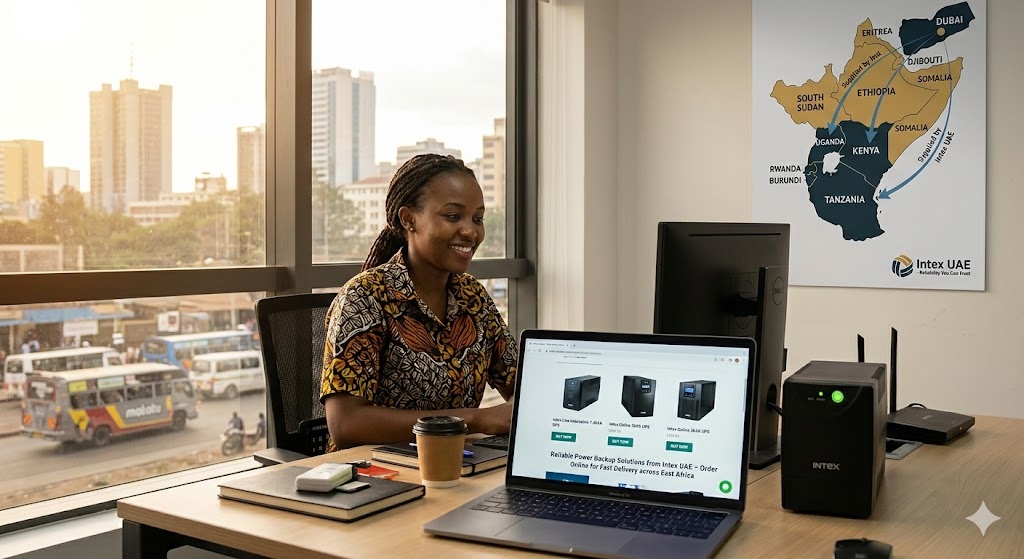
Anyone shopping for a UPS in Kenya quickly notices that prices vary widely between models, and it’s not always clear why one unit costs noticeably more than another that looks almost identical on the shelf. The price difference usually comes down to two things: power capacity and the type of technology inside the unit.
Capacity is measured in VA (Volt-Amps), and it directly determines how many devices a UPS can support and for how long. A small unit meant to protect a single computer sits at the lower end of the price range. Once you start adding a router, a monitor, or want longer runtime during an outage, you need a higher-capacity unit, and the price climbs accordingly.
The second factor is the technology type. Line-interactive UPS units are more affordable and handle most common power problems well, making them a solid choice for homes and small offices. Online double-conversion UPS units cost more, but they deliver continuously stable power with zero switch-over delay, which matters a great deal for sensitive equipment like servers, point-of-sale systems, or medical devices.
In Kenya, where power interruptions can range from brief blips to longer scheduled outages depending on the region, many households and small businesses now treat a UPS as a long-term investment in equipment protection rather than a one-time emergency purchase. The right unit, sized correctly from the start, tends to last for years without issue.
Before comparing prices, it helps to total up the wattage of everything you intend to protect, then choose a UPS with comfortable headroom above that figure. A unit that’s too small for the load will drain its battery within seconds during a real outage, which defeats the purpose of buying it in the first place.
Intex’s power backup range runs from the 650VA entry-level UPS up to 10KVA online rackmount models, covering everything from a single home computer to a small server room — available on the Power Backup Solutions page at Intex UAE.